
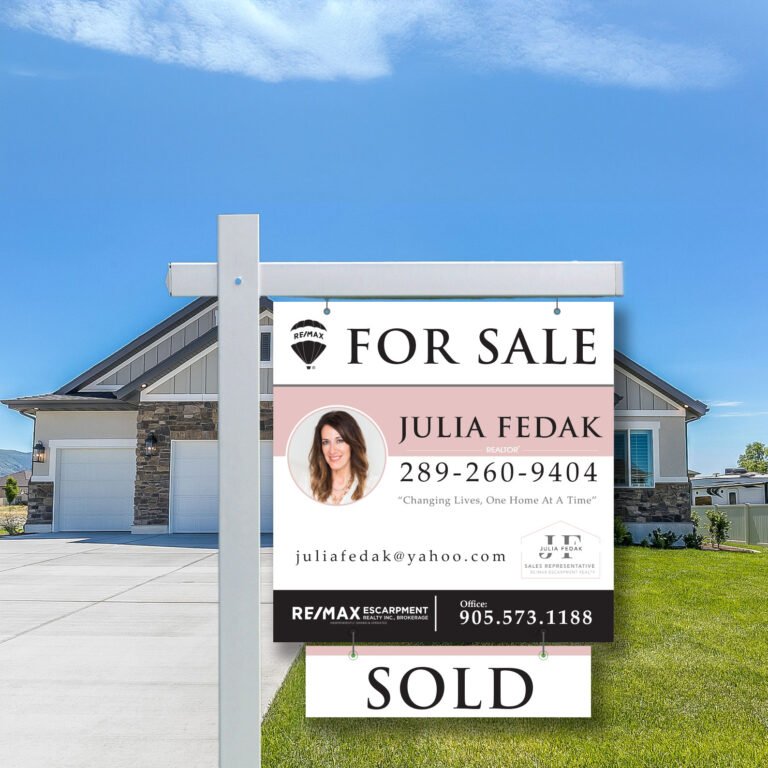
Commercial property value is influenced by more than square footage, location, and building condition. There is also the visual equation, and signage is a surprisingly important variable. People quickly process what they see, so sign size, contrast, typography, placement, condition, and branding can influence whether a property feels modern, professional, accessible, or dated.
A sign that is technically functional can still fail visually if nobody can read it easily or understand where to go. For owners and managers, getting these details right can strengthen the property’s overall presentation and create a more credible first impression. This blog breaks down how commercial property signage affects perceived business value and what to look for. Keep reading.
The Anatomy of a High-Value Sign
Not all signs work the same way, and the material you choose matters. Aluminum is strong and handles outdoor weather well. PVC is lighter and more affordable but can bend in high heat. Acrylic offers a clean, glossy look but may crack in very cold weather. Your local climate, location, and budget should guide the choice, not just appearance.
The ink matters too. UV-resistant ink can help colors stay bright for years, while regular ink may fade quickly in direct sunlight.
Size is also important. A simple rule is about 1 inch of letter height for every 10 feet of viewing distance. A sign viewed from 150 feet away may need letters around 15 inches tall. Good lighting can also keep signs visible after dark. Run through this checklist honestly, and you’ll know fast whether your current signage is an asset, or quietly costing you.
Curb Appeal Math – Signage as a Property Value Multiplier
Here’s the reframe: signage isn’t decoration; it’s a line item. Commercial appraisers and brokers routinely factor exterior presentation into lease negotiations and resale valuations, because a sharp, legible sign signals a well-maintained property before anyone steps inside. This is exactly why many owners search for commercial real estate signs for sale when prepping a space for lease or resale, but not all purchases pay off equally.
The difference between a smart buy and wasted spend comes down to three things: durability (will it survive five years of weather?), compliance (does it meet local codes?), and scalability (can the same design roll out across multiple properties without a redesign each time?). Skip any of these, and you’re not investing, you’re just spending.
Yard Signs vs. Full Storefront Branding
Not every signage need calls for a permanent installation. Open houses, “for lease” listings, directional cues, and short-term promotions all live in the temporary category, lightweight, fast to deploy, easy to swap.
In fact, real estate yard signs for sale often represent the very first physical touchpoint a prospective buyer or tenant has with a property, arriving well before any interior walkthrough.
Compare that to permanent storefront branding, which builds long-term recognition but costs more upfront and takes longer to install. Knowing which one your situation actually calls for keeps you from overspending on permanence you don’t need, or underspending on visibility you do.
The Compliance Layer Nobody Talks About
Here’s the unglamorous part: zoning laws, HOA restrictions, and municipal sign permits. A gorgeous, perfectly engineered sign means nothing if it violates a local ordinance, you’re now facing fines, forced removal, or both. All that “added value” evaporates overnight. Check local codes before you install, not after.
How to Evaluate Signage Like an Investor
Run your current signage through four questions: Is it visible from a practical distance? Will it survive the elements? Is it compliant with local rules? Does it match your brand consistently across locations? Four honest answers tell you exactly where you stand.
Signage remains one of the cheapest, fastest ways to reshape how a property is perceived, no renovation required. Take a walk outside, look at your signage the way a stranger would, and decide if it’s shaking hands or waving people away.